


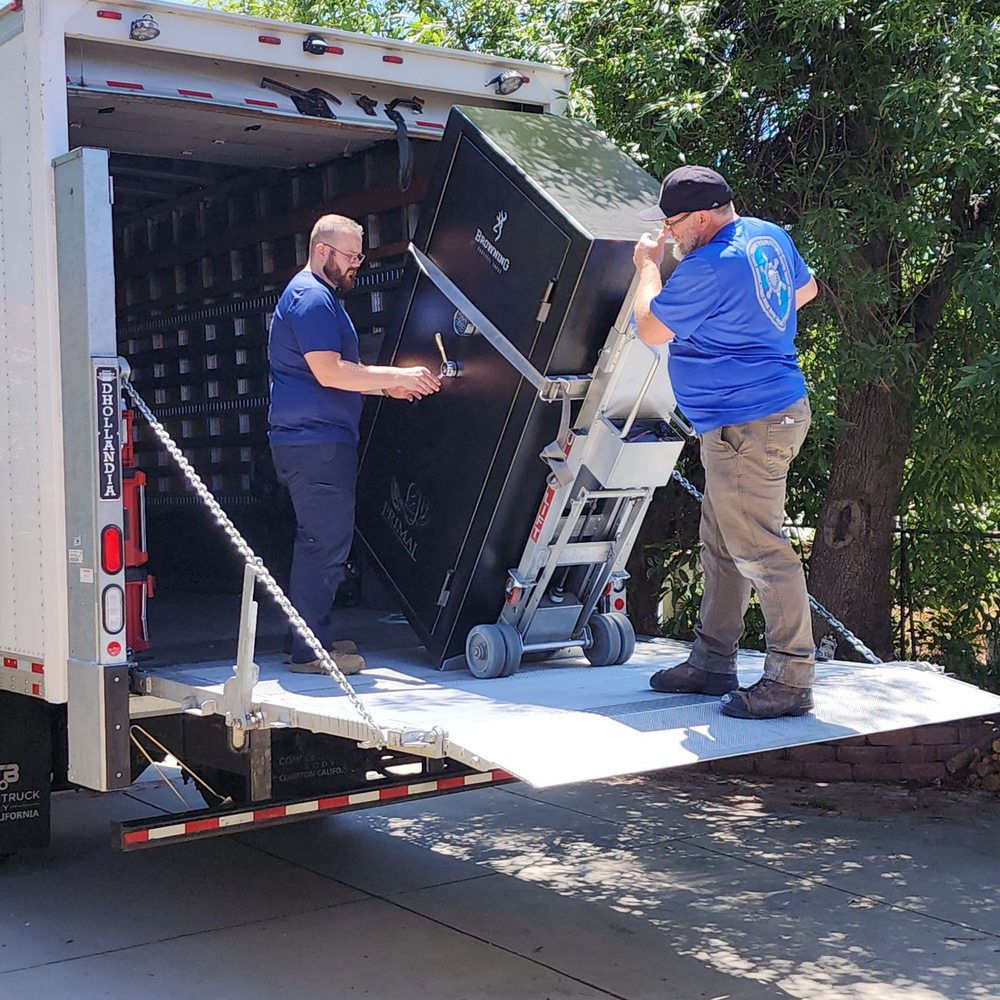
A safe protects what matters most, but moving it can put everything at risk if done wrong. Safes are heavy, complex, and sensitive to handling errors. That is why many property owners rely on professional safe movers, Tennessee to move safes without damage, data loss, or security gaps. When done the right way, safe relocation keeps your valuables protected from start to finish.
Why Safe Moving Requires Specialized Skills
Safes are not like furniture. They contain locking systems, fire barriers, and anchoring points that can fail if handled roughly. A single mistake can damage the lock, weaken fire protection, or cause alignment issues.
Professional movers understand:
1. Weight distribution and balance
2. Internal lock and bolt systems
3. Floor and wall anchoring methods
4. Safe body materials and coatings
This knowledge prevents costly repairs and keeps the safe fully functional after relocation.
Pre-Move Inspection and Planning
Every secure move begins with inspection. Movers assess the safe’s size, weight, lock type, and installation method. Floors, doorways, stairs, and loading paths are checked in advance.
Planning includes:
1. Measuring access points
2. Identifying obstacles
3. Selecting the right tools
4. Setting safety steps for people and property
This careful approach reduces risk and keeps the move smooth.
Controlled Access Before Relocation
In some cases, a safe needs controlled access before moving. This step confirms the lock works correctly and avoids surprises later. Professional teams may perform a safe unlocking service, Tennessee to ensure the locking system responds properly before transport.
This step helps prevent:
1. Lock jams after movement
2. Bolt misalignment
3. Unexpected access failures
Only trained hands handle this process to protect the safe and its contents.
Proper Equipment Makes the Difference
Safe moving relies on tools built for weight and control. Movers use specialized dollies, lifting bars, straps, and floor protection systems. Each tool has a specific role.
Common equipment includes:
1. Heavy-duty safe dollies
2. Non-slip lifting straps
3. Protective floor runners
4. Load-rated ramps and lifts
This equipment keeps the safe stable and prevents damage to floors, walls, and doors.
Step-by-Step Safe Relocation Process
Professional movers follow a clear process to protect security.
Key steps include:
1. Securing the lock and door
2. Stabilizing the safe for movement
3. Lifting with controlled force
4. Transporting with steady balance
5. Positioning and leveling at the new location
Each step focuses on safety and precision. Nothing is rushed.
Maintaining Lock Integrity During Transport
Locks are the heart of a safe. Vibration or impact can affect internal parts. Movers reduce this risk by padding the safe and keeping it upright at all times.
During some moves, a second safe unlocking service, Tennessee may be used after placement. This confirms that bolts engage correctly and the lock responds as expected.
This final check ensures the safe remains reliable.
Working With Trusted Safe Brands
Professional movers often work with high-quality safes from trusted manufacturers. These include Hayman Safe Company, known for advanced fire and burglary protection. Other recognized brands include American Security, Hollon Safe, Kay Nine Safes, and SnapSafe.
Each brand has unique construction features. Understanding these differences allows movers to handle each safe correctly.
Residential and Commercial Safe Moves
Homes and businesses face different challenges. Residential moves focus on protecting floors and walls. Commercial moves involve tighter schedules and heavier units.
Professional movers adapt by:
1. Coordinating with business hours
2.Using advanced lifting systems
3. Securing safes to meet code standards
This flexibility keeps security intact in every setting.
Common Mistakes Avoided by Professionals
DIY safe moves often lead to problems. Professional movers prevent issues such as:
1. Floor damage from improper lifting
2. Lock failure due to rough handling
3. Personal injury from heavy loads
4. Security gaps during transport
Avoiding these mistakes saves time, money, and stress.
Final Placement and Security Check
Once the safe reaches its new spot, movers focus on proper placement. The safe is leveled, anchored, and tested. Locks are checked, and access is confirmed.
This final step ensures the safe offers the same protection as before the move.
Conclusion: Secure Moves Start With the Right Team
Moving a safe requires more than strength. It takes planning, skill, and respect for security systems. Professional safe movers, Tennessee provide that balance, ensuring your safe remains secure at every stage.
For safe relocation handled with care and expertise, East TN Safe & Door Dr offers professional moving, unlocking, and placement services backed by experience and trusted industry knowledge. Contact the team today to schedule a safe relocation that protects your property and your peace of mind.
FAQs
1. Why should I hire professional safe movers instead of moving a safe myself?
Professional movers prevent injuries, protect flooring, and keep the safe’s lock and structure fully secure.
2. How do professionals protect a safe during relocation?
They use specialized tools, padding, and controlled lifting to avoid impact and lock damage.
3. Can a safe lock fail after moving?
Yes, rough handling can cause issues, which professionals prevent through careful transport and testing.
4. Are heavy commercial safes harder to move than residential safes?
Yes, they need advanced equipment, planning, and experience to move safely and meet security standards.
5. Is the safe tested after it reaches the new location?
Yes, professionals check alignment, anchoring, and lock operation to confirm proper security.