


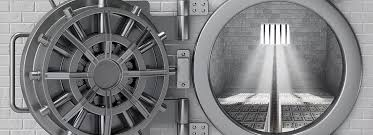
A single vault door failure can place years of trust, assets, and records at risk. When access systems stop working or seals weaken, security gaps appear fast. Vault door repairs play a key role in keeping businesses protected while meeting strict safety and compliance needs from day one.
Why Vault Doors Matter in Business Settings
Vault doors are not just heavy metal barriers. They control access, track use, and guard sensitive items. Banks, pharmacies, government offices, and data centers rely on them daily. If a vault door sticks, misaligns, or fails to lock, the risk goes far beyond inconvenience.
A damaged vault door can lead to:
1. Unauthorized access
2. Delays in daily operations
3. Compliance issues during audits
4. Increased insurance concerns
Fast action keeps these risks under control.
Common Problems That Affect Vault Doors
Vault doors handle constant use and heavy pressure. Over time, parts wear down. Small issues can grow if ignored.
Some common problems include:
1. Lock mechanisms not engaging fully
2. Hinges pulling out of alignment
3. Electronic panels showing errors
4. Seals losing strength due to age or heat
These issues affect security and can also break compliance rules tied to access control.
How Repairs Support Security Standards
Security standards often require proof that access points work as intended. A vault door must close, lock, and log access correctly. Repairs restore these functions without changing the door’s core structure.
Professional repair work focuses on:
1. Re-aligning locking bolts
2. Restoring smooth door movement
3. Testing access systems after fixes
4. Making sure locks respond every time
This process helps businesses show that their security systems remain reliable.
Compliance Depends on Proper Access Control
Many industries follow strict rules for storage and access. Financial records, controlled substances, and private data must stay protected. When doors fail, compliance slips.
In the middle of these situations, safe repairs services help correct issues before inspections or audits. Restoring door integrity ensures that access remains limited to approved staff only.
Compliance benefits include:
1. Meeting internal security policies
2. Supporting insurance requirements
3. Passing safety inspections
4. Reducing liability risks
Mechanical vs Electronic Vault Door Repairs
Vault doors can be mechanical, electronic, or a mix of both. Each type needs a specific repair approach.
Mechanical repairs often involve:
1. Bolt adjustment
2. Hinge repair
3. Lock part replacement
Electronic repairs may include:
1. Keypad testing
2. Sensor recalibration
3. Control board checks
Experienced technicians understand how these systems work together. This balance protects the door without causing new faults.
Trusted Vault Door Brands and Repair Compatibility
Not all vault doors are built the same. Leading brands design doors with advanced locking systems and reinforced structures. Repairs must match the original build quality.
Many businesses rely on doors from manufacturers such as Hayman Safe Company, known for strong construction and dependable access systems. Other well-known brands include American Security, Hollon Safe, Kay Nine Safes, and SnapSafe. Proper repairs respect brand standards while restoring full function.
Preventing Downtime With Timely Repairs
A vault door that stays closed or refuses to lock can stop work completely. Delays cost time and money. Acting early keeps operations moving.
Routine checks and fast repairs:
1. Reduce emergency shutdowns
2. Keep staff workflows steady
3. Prevent forced entry damage
In these situations, safe repairs services allow businesses to regain control quickly and safely.
Why DIY Fixes Create Bigger Risks
Trying to fix a vault door without training can cause more damage. Heavy doors and complex locks need the right tools and skills. One wrong move may damage the locking system or void warranties.
Professional repair keeps:
1. Door structure intact
2. Locks functioning as designed
3. Security ratings unchanged
This approach protects both assets and compliance status.
The Role of Documentation After Repairs
After repairs, clear records matter. Documentation shows what was fixed and when. This helps during audits and insurance reviews.
Repair records support:
1. Compliance verification
2. Maintenance planning
3. Risk management
Good records prove that security steps are taken seriously.
Long-Term Security Starts With Reliable Repairs
Vault doors protect more than physical items. They protect trust, privacy, and business reputation. Repairs keep these doors strong without replacing entire systems.
When done correctly, repairs extend door life and maintain high safety levels.
Final Thoughts and Next Steps
Strong security depends on doors that work every time. Vault door repairs help businesses stay secure, compliant, and prepared for inspections without disruption.
At East TN Safe & Door Dr, we provide professional vault door repair solutions designed to protect your business assets and meet compliance needs. If your vault door shows signs of trouble, reach out today. Our team is ready to restore security, reduce risk, and keep your operations running smoothly.
FAQs
1. Why are vault door repairs important for businesses?
They restore security, prevent unauthorized access, and help businesses meet safety and compliance requirements.
2. What are common signs a vault door needs repair?
Hard closing, lock delays, keypad errors, unusual noises, or misaligned bolts signal repair needs.
3. Can vault door issues affect compliance audits?
Yes. Faulty access systems can raise concerns during inspections and impact compliance approval.
4. How long do professional vault door repairs usually take?
Most repairs are completed within hours, depending on door type and issue severity.
5. Should vault doors be repaired or replaced?
Repairs are often enough and more cost-effective unless structural damage is severe.