


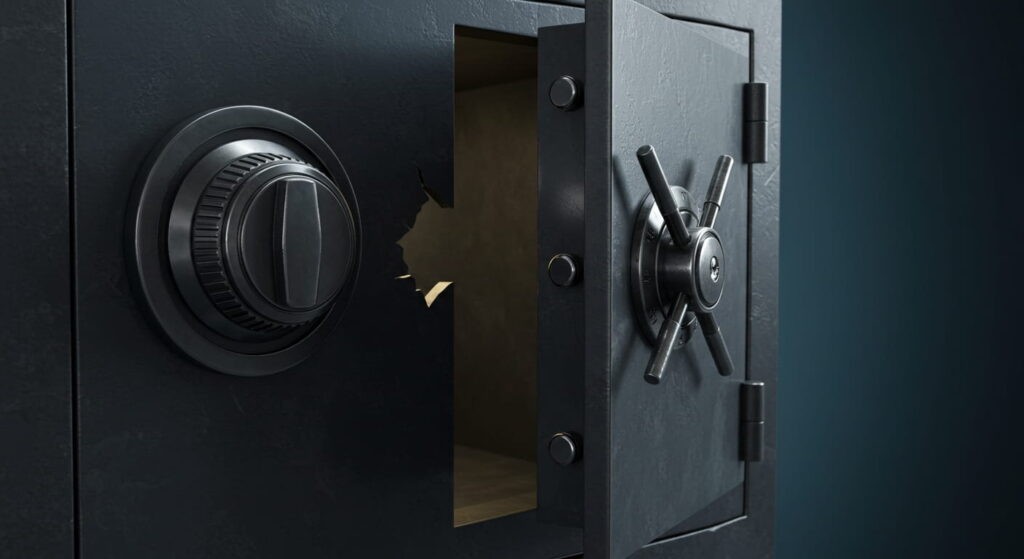
Security issues rarely appear without warning. Locks, safes, and secure storage systems often show small performance changes long before a major failure disrupts operations. These early shifts can be easy to overlook in busy environments, yet they directly affect access control, asset protection, and day-to-day efficiency. For professionals managing high-use storage areas or specialised units such as wall and floor safes, paying attention to these signals is essential. As systems age, mechanical wear, keypad delays, and alignment problems can lead to downtime. Addressing these signs early helps prevent lockouts, reduce risks, and keep workflows running smoothly.
1. Increasing Resistance When Operating Locks
A lock that once moved effortlessly may begin to feel tight or inconsistent. This often stems from worn internal pins, alignment issues, or buildup inside the keyway. Teams may notice they need extra pressure or multiple attempts to turn the key. These changes usually worsen. Bringing in a lock and safe locksmith early helps prevent a full failure and restores dependable access.
2. Safes Displaying Delayed Responses or Error Codes
Electronic and mechanical safes are designed for responsive operation. When keypads pause, codes register inconsistently, or dials feel loose, internal components may be wearing out. Safes from Hayman Safe Company are known for strong performance, but like all secure systems, they generate error warnings when lock bodies or sensors start failing. A specialist inspects these signs, verifies bolt movement, and corrects issues before access becomes unpredictable.
3. Keys Breaking or Frequently Getting Stuck
Key breakage is a strong indicator of weakened metal or a deteriorating keyway. Frequent jamming suggests deeper mechanical wear. Lubrication may offer temporary relief, but ongoing resistance points to underlying damage. Calling a lock and safe locksmith at this stage helps avoid internal lock failures and protects door hardware from long-term damage.
4. Rust, Moisture, or Environmental Wear on Hardware
Secure storage is sensitive to climate conditions. Humidity, temperature shifts, and moisture exposure accelerate corrosion inside locks and safes. Facilities near kitchens, exterior walls, or high-moisture zones experience this more often. Brands such as American Security, Hollon Safe, Kay Nine Safes, and SnapSafe recommend routine checks to identify corrosion early and prevent bolt or lock-body deterioration.
5. Storage No Longer Matching Operational Requirements
As storage needs evolve, older equipment may not support new inventory levels, compliance protocols, or multi-user systems. In these cases, upgrading to wall and floor safes can improve concealment, internal capacity, and fire protection. Specialists evaluate fire ratings, bolt strength, and user access needs. Many businesses favor Hayman Safe Company models for durability and long-term reliability.
6. Bolt Handles Feeling Heavy, Stiff, or Misaligned
A safe handle that suddenly requires more force than usual indicates bolt friction or internal misalignment. This often leads to bolt freeze if ignored. High-use environments experience this sooner, especially where safes are opened repeatedly throughout the day. Routine servicing improves alignment, reduces friction, and stabilises bolt movement.
7. Random Lockouts or Access Failures
Unexpected lockouts, despite using the correct code or key, signal mechanical fatigue or keypad failure. Multiple users can accelerate wear because handling styles vary across teams. A specialist checks for internal strain, tests the locking system, and ensures all components reset correctly after each use.
8. Clicking, Grinding, or Scraping Sounds Inside Safes
Unusual internal noises indicate friction, debris, or failing parts. These sounds rarely improve on their own. Professionals use diagnostic tools to locate worn components and prevent situations that may require forced entry. Early intervention avoids bolt jams that compromise operations and security.
Conclusion
Small irregularities in locks and safes often foreshadow larger failures. By acting on early symptoms such as resistance, error codes, jamming, corrosion, and access delays, facility teams maintain stronger control over secure areas. When you need a lock and safe locksmith for accurate diagnostics or repair, we at East TN Safe & Door Dr offer dependable support to keep your systems functioning smoothly and safely.
Contact us today to schedule service or request expert assistance.